International Odds Platforms: Pre-Match Value Tools Connecting to Live Arbitrage Windows in Global Sports Leagues
Zara Becker · Aug 8, 2026
International Odds Platforms: Pre-Match Value Tools Connecting to Live Arbitrage Windows in Global Sports Leagues
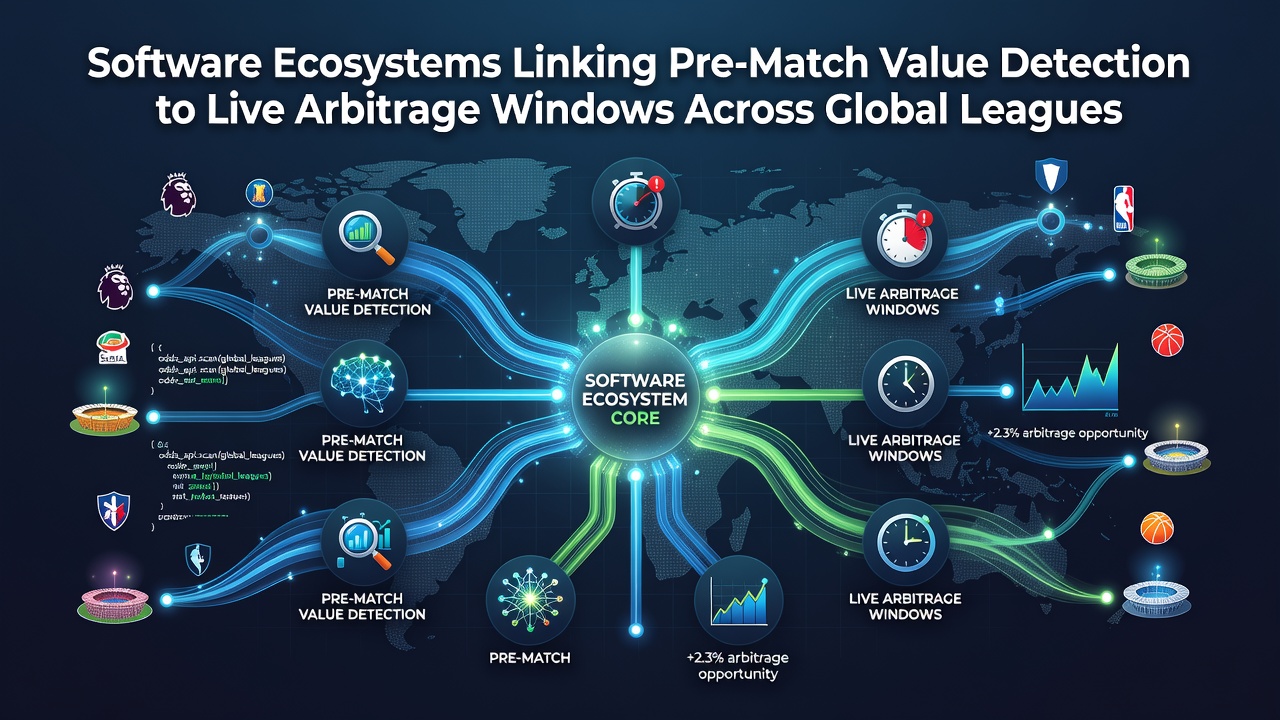
Software ecosystems in sports betting have developed integrated systems that connect pre-match value detection modules with live arbitrage monitoring tools, allowing operators and users to track discrepancies across soccer, tennis, basketball, and hockey leagues worldwide. These platforms aggregate odds from numerous bookmakers and exchanges, then apply algorithmic filters that flag potential value bets before matches begin while simultaneously preparing live feeds for rapid odds shifts once events start.
Developers have built these systems around centralized data pipelines that pull real-time information from global leagues, and the architecture supports cross-league comparisons that reveal arbitrage windows when odds diverge between pre-match assessments and in-play movements. Research from industry reports indicates that such linkages have become standard in professional tools since the mid-2020s, with updates in August 2026 introducing enhanced API connections that reduce latency between value scanners and arbitrage calculators.
Core Components of These Integrated Systems
Pre-match value detection relies on statistical models that compare implied probabilities against historical performance data across leagues, whereas live arbitrage components monitor tick-by-tick odds changes during matches to identify surebet opportunities. Observers note that the connection between these two functions occurs through shared databases, where flagged pre-match edges feed directly into live alert engines that trigger notifications when conditions align during play. This setup allows continuous monitoring rather than isolated scans, and data shows that operators using unified platforms report higher capture rates of short-lived windows in fast-paced sports like basketball and tennis.
Global leagues present unique challenges because time zones and scheduling create overlapping events, yet the software handles these by prioritizing high-volume markets such as European soccer and North American basketball. Those who have examined the code structures find that machine learning layers refine value predictions by incorporating live data streams, which then adjust arbitrage thresholds dynamically as matches progress. Figures from platform analytics reveal that August 2026 updates included better handling of weather-related variables in outdoor leagues and injury feeds from official sources, tightening the link between pre-match and live phases.
League-Specific Applications and Data Flows
In soccer, pre-match scanners examine goal expectancy models across major European and South American competitions, then pass signals to live modules that watch for rapid shifts in Asian handicap lines during the first half. Tennis ecosystems focus on set and game probabilities from ATP and WTA events, where live arbitrage windows often open during long rallies or tiebreaks when bookmakers adjust serve percentages in real time. Basketball tools integrate player efficiency ratings from NBA and Euroleague matches, creating pathways where pre-match value on total points transitions into live arb alerts as quarters unfold and momentum changes appear in the data.
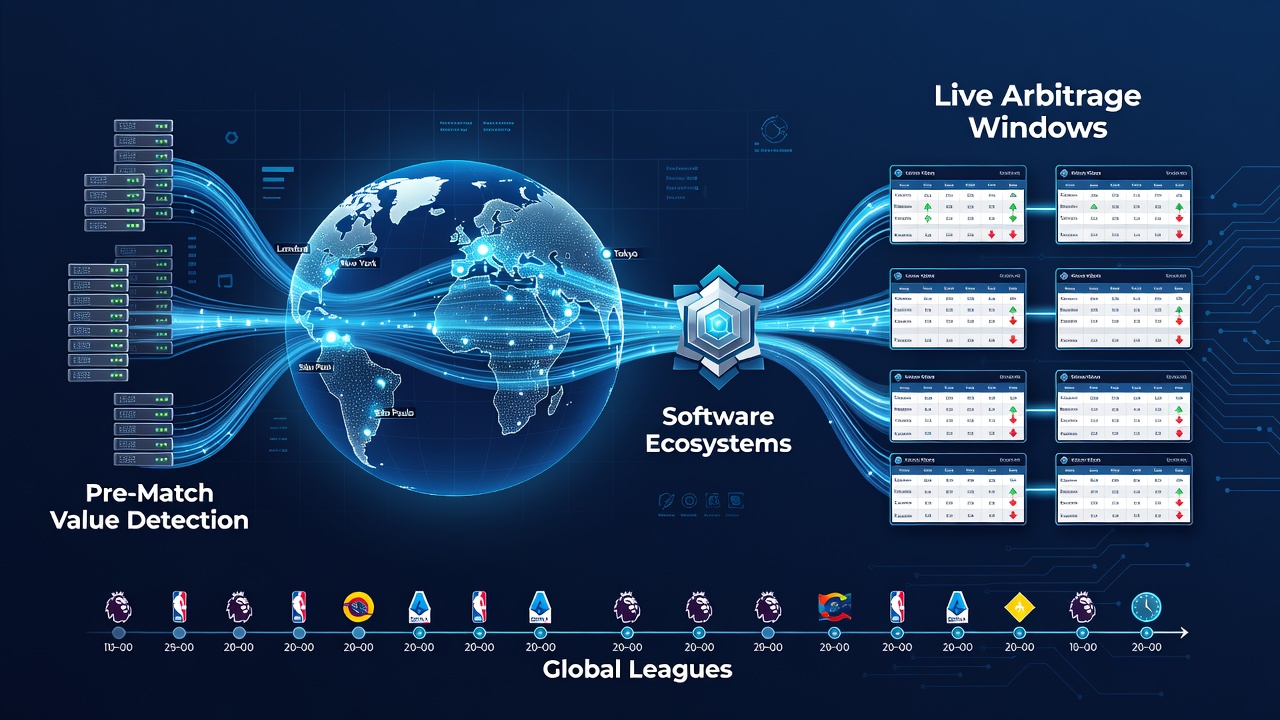
Hockey platforms apply similar logic to NHL and KHL games, tracking shot differential metrics that pre-match systems highlight and live components monitor for power-play opportunities. The data pipelines ensure that a value flag raised hours before a match can automatically populate the live dashboard once the puck drops, reducing manual intervention. External studies from the Australian Gambling Research Centre have documented how these synced systems perform across time zones, showing measurable improvements in opportunity detection rates when pre-match and live components share the same underlying datasets.
Technical Integration and August 2026 Developments
Engineers have designed the ecosystems with modular APIs that allow third-party data providers to slot into the value-to-arbitrage chain without disrupting existing workflows. In August 2026 several platforms rolled out expanded coverage for Asian football leagues and South American basketball circuits, adding new data points that strengthen the predictive accuracy of pre-match tools while expanding the live arbitrage surface area. Government reports from Canadian provincial regulators have highlighted similar technological maturation, noting that integrated software reduces the time between identifying a value edge and executing a live position from several minutes to under thirty seconds in tested environments.
Security layers within these ecosystems encrypt the data flows between modules, and compliance features automatically log transactions for review by oversight bodies in multiple jurisdictions. The reality is that leagues with denser betting markets generate more frequent arbitrage windows, yet the software normalizes these outputs so users can apply consistent strategies across different sports without switching platforms.
Conclusion
Software ecosystems that link pre-match value detection to live arbitrage windows continue to evolve as global leagues expand their schedules and data availability improves. These systems rely on shared infrastructure that processes information from pre-event analysis straight through to in-play monitoring, delivering coordinated outputs across soccer, tennis, basketball, and hockey. August 2026 brought further refinements to latency and league coverage, while external research from bodies such as the Nevada Gaming Control Board archives provides ongoing benchmarks for performance in regulated markets. The technical connections now support broader international participation while maintaining the factual data flows that underpin both value identification and arbitrage execution.