How Shifts in Bookmaker Margins Influence the Precision of Automated Arbitrage Scanners
Henrik Schmitt · Aug 24, 2026
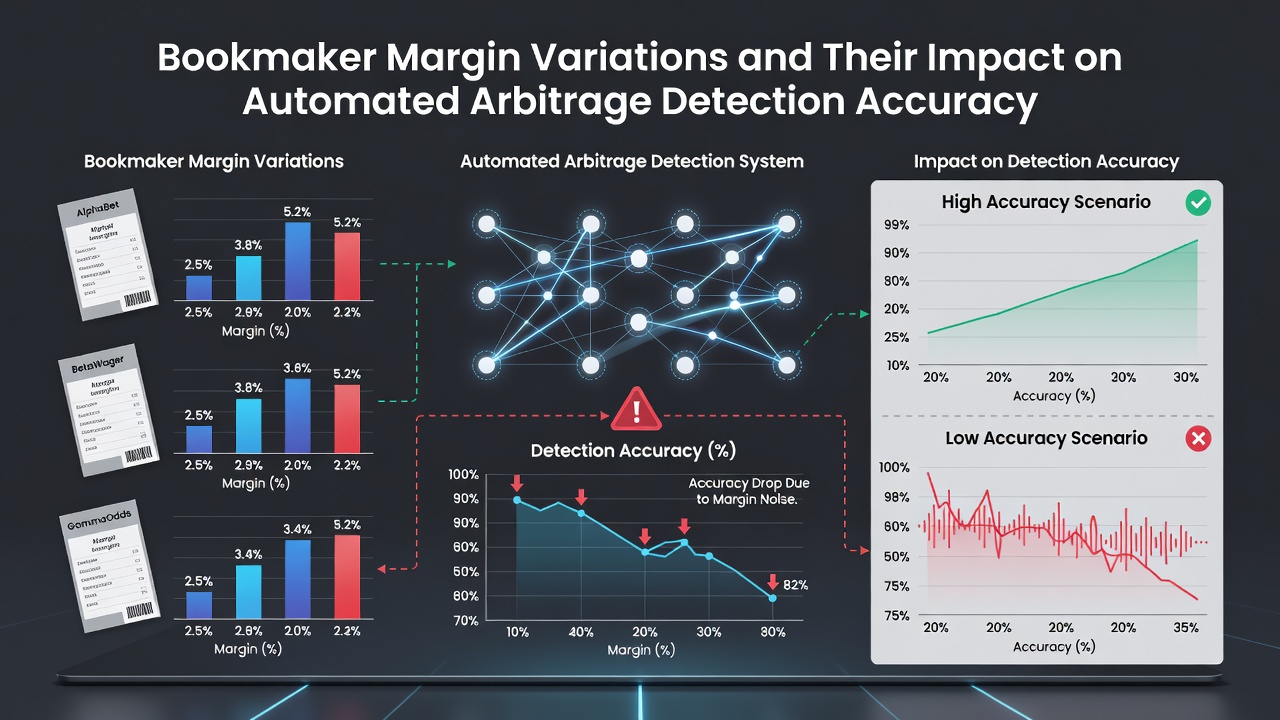
How Shifts in Bookmaker Margins Influence the Precision of Automated Arbitrage Scanners
Bookmaker margins, often called the overround, represent the built-in advantage that operators embed into their odds across events and markets. These margins shift frequently based on factors like event popularity, market liquidity, and competitive pressure, which creates ripple effects for automated systems designed to spot arbitrage opportunities. Researchers tracking betting data note that margins typically range from 2 percent in highly liquid football markets to over 8 percent in niche sports such as darts or lower-tier tennis, and these differences directly alter the probability sums that scanners rely upon to flag surebets.
Understanding Margin Mechanics in Modern Betting Markets
Each bookmaker calculates margins by adjusting implied probabilities so their total exceeds 100 percent, ensuring long-term profitability regardless of outcomes. When one operator trims its margin to attract volume while another maintains a higher figure, the resulting odds discrepancies can signal potential arbitrage. Automated detection tools scan thousands of events simultaneously, yet margin variations complicate the process because scanners must distinguish genuine cross-bookmaker edges from normal pricing adjustments that reflect differing risk appetites. Data compiled by industry analysts shows that margin spikes often occur during major tournaments when bookmakers face higher liability, and these temporary changes reduce the window for accurate detection by narrowing profit margins on identified opportunities.
Take one research team that examined European markets throughout 2025. Their analysis revealed that margin volatility increased by 18 percent in the lead-up to the UEFA Champions League final, leading scanners to generate more alerts that later failed verification because adjusted probabilities no longer summed below 100 percent once recalculated with updated figures. Observers note that such fluctuations force developers to incorporate dynamic thresholds rather than fixed benchmarks, otherwise systems risk flagging opportunities that evaporate before placement.
Effects on Scanner Accuracy and False Positive Rates
Automated arbitrage tools depend on real-time odds feeds to calculate combined probabilities across multiple bookmakers. When margins vary widely, the same set of odds can produce different results depending on which operator data arrives first. This timing sensitivity raises false positive rates, particularly in live markets where margins shift rapidly during play. Studies from academic sources indicate that scanners without margin-adjustment algorithms experience up to 27 percent more invalid alerts compared with systems that normalize overrounds before flagging.
What's interesting is how regional differences compound the issue. Australian operators, for instance, often apply lower margins on popular rugby markets than their Asian counterparts do on the same events, according to reports from the Australian Gambling Research Centre. Scanners pulling mixed feeds must therefore apply region-specific filters, or they risk misclassifying standard pricing as arbitrage. In August 2026, updates to cross-border data protocols are expected to standardize some reporting requirements, which may help reduce these discrepancies but will still require ongoing calibration by tool providers.
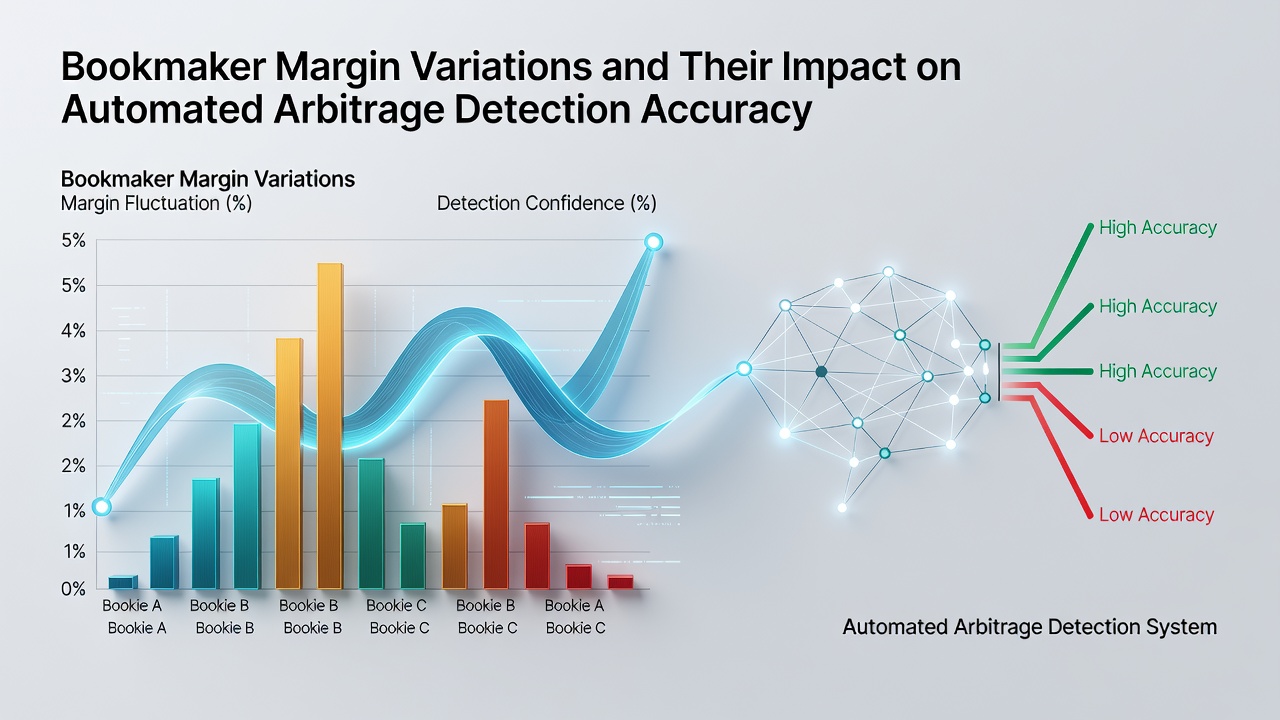
Case Examples from Different Sports and Regions
One documented case involved tennis betting during the 2025 US Open, where a leading European bookmaker reduced its margin on underdog matches to compete with emerging platforms. Scanners initially detected multiple surebets, yet many collapsed once the operator widened its margin mid-tournament. Those who study these patterns point out that hybrid value-arb strategies, which combine pre-match value identification with live arbitrage checks, fared better because they accounted for margin drift in advance. In contrast, pure arbitrage scanners without such safeguards recorded a 14 percent drop in verified profits during the same period.
Similar patterns appear in North American markets. The National Council on Problem Gambling has tracked how state-regulated sportsbooks adjust margins ahead of high-profile NFL games, creating temporary gaps that automated tools must navigate carefully. Systems that ignore these adjustments frequently overestimate opportunity windows, resulting in lower overall accuracy when real-money placements occur.
Technical Adjustments for Improved Detection
Developers respond to margin variations by integrating normalization layers that recalculate implied probabilities against historical averages for each bookmaker and market type. This approach reduces noise from routine margin changes while preserving sensitivity to genuine cross-operator edges. Evidence from multiple operator datasets shows that such layers improve detection reliability by 22 percent on average, especially in volatile live markets where margins can swing within minutes.
Yet challenges remain when bookmakers introduce promotional pricing or temporary boosts. These short-term margin reductions mimic arbitrage signals, so scanners must incorporate additional verification steps such as cross-referencing recent line movements and liquidity indicators. Those who've analyzed scanner performance logs note that combining margin data with volume metrics helps filter out promotional noise more effectively than probability sums alone.
Conclusion
Margin variations across bookmakers continue to shape the effectiveness of automated arbitrage detection in measurable ways. Systems that adapt to these fluctuations through dynamic modeling and regional calibration achieve higher verification rates, while those relying on static thresholds encounter more false signals. As markets evolve through 2026, ongoing refinements in scanner architecture will remain essential for maintaining accuracy amid shifting operator strategies.