Coordinating Scanner Alerts and Real-Time Projections Across Multi-Sport Betting Portfolios
Devon Franke · Aug 17, 2026
Coordinating Scanner Alerts and Real-Time Projections Across Multi-Sport Betting Portfolios
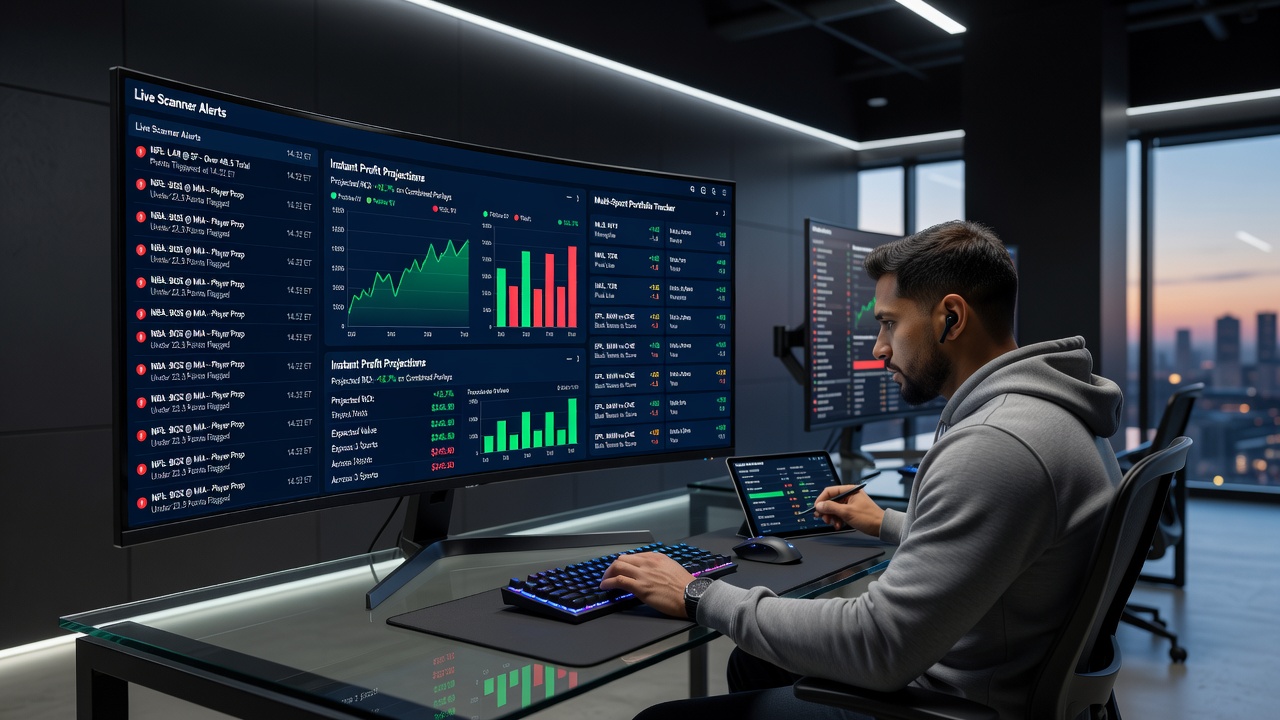
Bettors who handle portfolios across several sports frequently set up scanner systems that flag odds discrepancies in real time while pairing those alerts with projection tools that calculate potential returns on the spot, and this combination allows them to evaluate opportunities across soccer, tennis, basketball, and hockey within the same session. Observers note that the process begins when scanners monitor multiple bookmakers simultaneously, then push notifications once margins exceed predefined thresholds, at which point the projection software immediately factors in stake allocations, currency conversions, and any overlapping liabilities from existing positions.
Scanner Alert Mechanisms in Daily Operations
Scanners operate by pulling live odds feeds from various platforms, and they apply filters that highlight discrepancies where arbitrage windows open for brief periods, while bettors configure these tools to cover prematch lines in one sport alongside live markets in another so that a single dashboard surfaces alerts from different time zones without requiring constant manual checks. Data shows that in August 2026 several platforms updated their API connections to reduce latency by several seconds, which matters because even small delays can close profitable gaps in fast-moving events like tennis sets or basketball quarters. Those who maintain multi-sport books often route alerts through customizable channels, sending high-margin soccer opportunities to one queue and lower-volume hockey lines to another, thereby preventing overload while keeping the most time-sensitive items visible.
Instant Profit Projection Integration
Once an alert arrives, projection calculators pull the relevant odds and apply formulas that account for commission rates, exchange fees, and stake balancing requirements across two or more outcomes, and the software then displays net profit figures along with suggested bet sizes that stay within portfolio exposure limits. Researchers have documented that this step reduces manual spreadsheet work, since the tools automatically adjust for correlated risks when a basketball total bet overlaps with a player prop on the same game. Bettors who combine these functions report that they can move from alert receipt to confirmed wagers in under a minute when the projection module already contains their current bankroll allocations and risk parameters.
Managing Cross-Sport Portfolio Overlaps
Multi-sport portfolios introduce additional complexity because a single event cluster, such as a European soccer weekend paired with NBA games, can create simultaneous opportunities that share capital and create unintended correlations, so projection tools incorporate portfolio-level views that flag when total exposure in one league exceeds internal guidelines. Industry reports from the American Gaming Association indicate that operators observed rising interest in cross-sport aggregation features during 2025 and 2026, as participants sought ways to diversify without increasing overall risk exposure. American Gaming Association research further highlights how data feeds now include more granular market depth information, allowing calculators to factor in liquidity differences between major and minor sports.
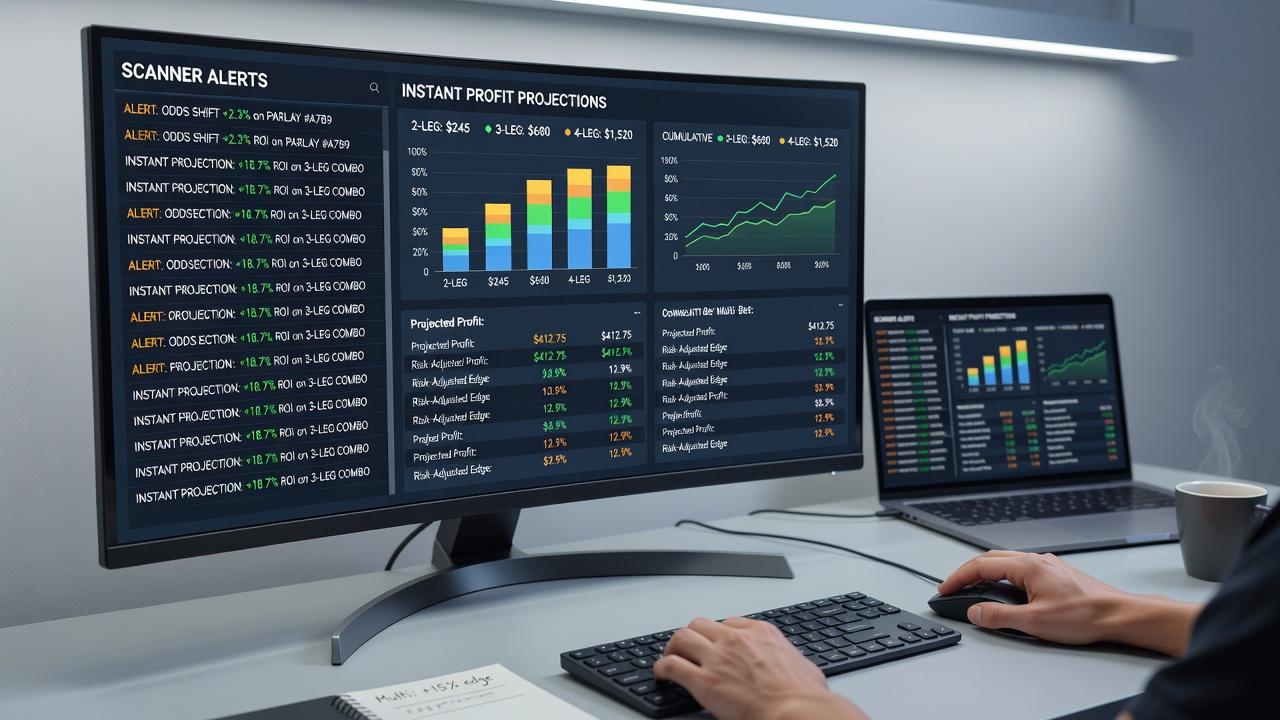
Workflows often include a verification loop where bettors review the projected profit against historical hit rates for similar alert types before committing stakes, and this step proves especially relevant when scanners surface opportunities in less liquid markets such as volleyball or table tennis. Those who track performance over months note that combining alerts with projections helps maintain consistent allocation across sports even when one league experiences reduced volume due to scheduling breaks or weather disruptions.
Technology Updates and Data Sources
Platform providers have expanded their alert customization options in recent years, adding variables such as minimum profit thresholds per sport and maximum simultaneous open positions, while projection engines now pull from additional regulatory datasets that track average margins by region. Alcohol and Gaming Commission of Ontario reports provide one such external benchmark that some tools incorporate when modeling expected returns on North American markets. Bettors who operate across time zones schedule their sessions to align with peak liquidity periods in each sport, using the combined scanner and projection setup to evaluate whether an emerging soccer surebet still fits within overall daily targets after earlier basketball positions have been placed.
Conclusion
The integration of scanner alerts with instant profit projections creates a structured sequence where bettors receive filtered opportunities, review calculated outcomes, and execute within portfolio constraints, and this approach supports sustained activity across multiple sports without requiring separate manual processes for each market. Evidence from industry tracking shows continued refinement of these combined systems as data connections improve and more participants adopt portfolio-level oversight tools.