Comparison Engines Map Live Odds Variations Across Table Tennis and Badminton Niche Events
Bianca Meier · Aug 20, 2026
Comparison Engines Map Live Odds Variations Across Table Tennis and Badminton Niche Events
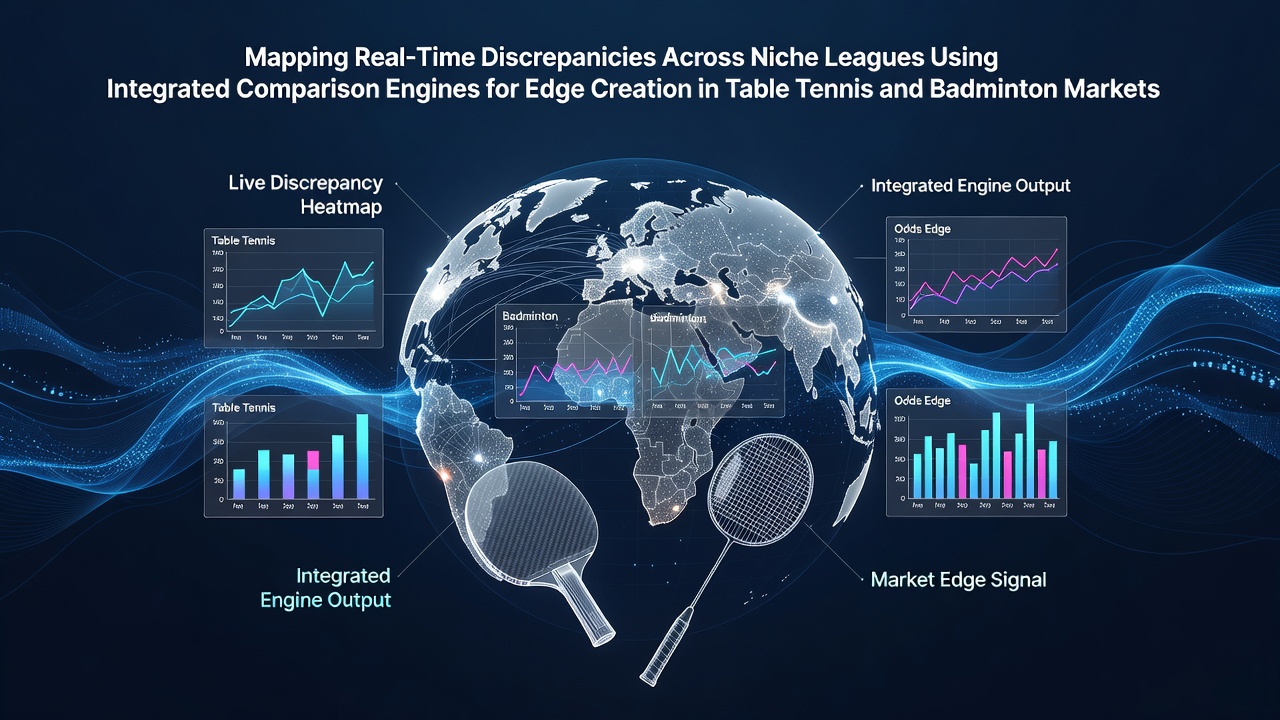
Integrated comparison engines scan multiple bookmaker feeds simultaneously and flag price differences that emerge during live table tennis and badminton competitions in smaller leagues, and these tools pull data from regional tournaments across Europe, Asia, and South America where coverage often remains fragmented. Data shows that such platforms update every few seconds while matches unfold, allowing operators to track shifts that standard interfaces miss because lower-division events receive less manual attention from oddsmakers.
Table tennis leagues in Poland, Romania, and parts of East Asia generate frequent line movements once sets begin, whereas badminton circuits in Indonesia, India, and Denmark produce similar patterns during group-stage fixtures that lack widespread television exposure. Observers note that engines aggregate these feeds into unified dashboards so users can view spreads across dozens of books without switching tabs, and the systems apply filters that isolate only those discrepancies exceeding preset thresholds like 3 percent or higher.
Mechanics Behind Real-Time Discrepancy Detection
Algorithms inside these engines compare odds strings from different providers by converting each price into implied probability and then calculating the residual gap, after which alerts trigger when the combined probabilities fall below 100 percent across two or more outcomes. In practice the process runs continuously during evening sessions when European table tennis leagues overlap with afternoon badminton matches in Asia, and the software logs historical variance to refine future scans. Researchers at the Australian Gambling Research Centre have documented how such automated reconciliation reduces manual review time by roughly 70 percent for operators focused on racquet sports.
Niche events often feature delayed score feeds or limited statistical depth, which creates windows where one bookmaker adjusts faster than another, and engines capture those windows by cross-referencing live score APIs with betting markets. Those who operate the systems report that table tennis sets lasting under 20 minutes produce especially sharp movements once a player drops the opening game, while badminton rallies in longer three-set encounters generate steadier but still exploitable drifts when fatigue patterns become visible.
Application to Table Tennis Niche Leagues
Polish Superliga and Romanian Liga Pro matches illustrate the pattern because both divisions schedule multiple fixtures on the same evening yet attract uneven bookmaker interest. An engine might surface one provider offering 1.92 on the favorite while another lists 2.05 on the underdog in the same set, and the integrated tool immediately calculates the arbitrage margin that results from staking across both books. August 2026 schedules show increased fixture density in these leagues ahead of continental qualifiers, which in turn expands the number of live markets available for scanning each week.
Comparison engines also incorporate player-form metrics pulled from official federation databases so that any sudden odds spike can be contextualized against recent head-to-head results. This layered view helps isolate whether a discrepancy stems from genuine information asymmetry or simply from slower book updates, and the distinction matters when traders decide how long a position remains viable before the market corrects.
Parallel Patterns in Badminton Markets
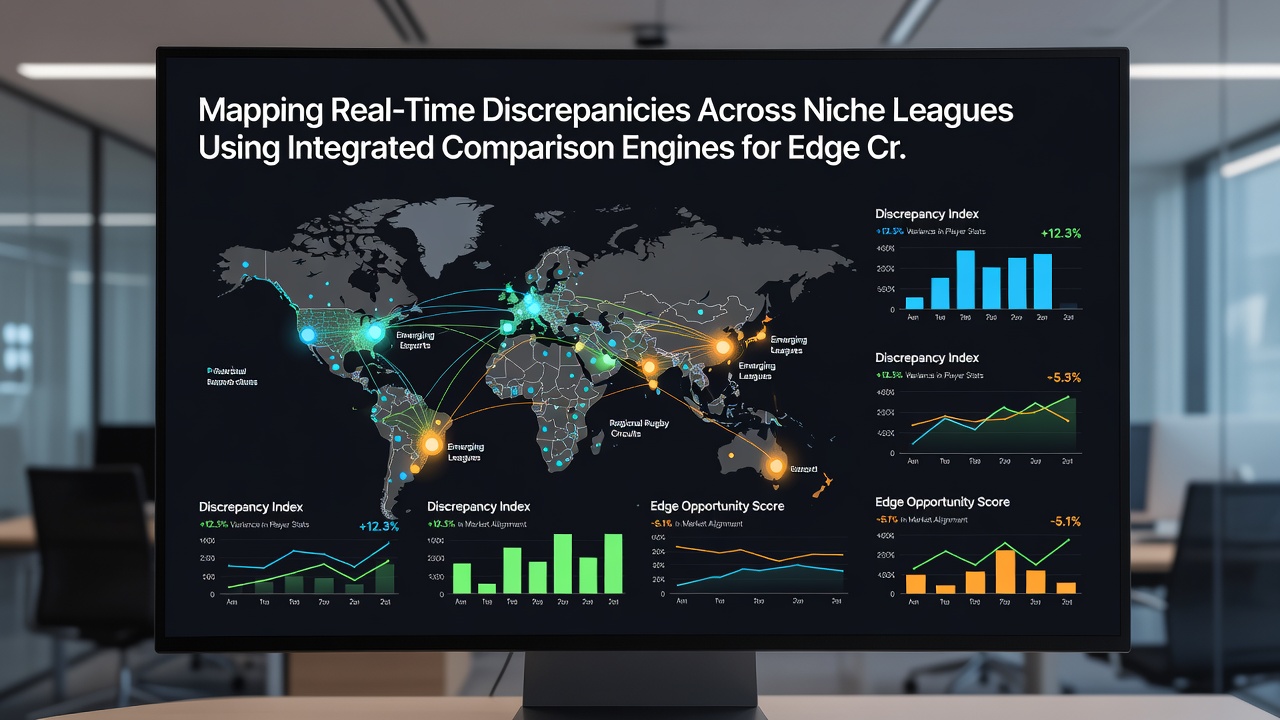
Indonesian Liga and Indian national circuit events follow comparable dynamics because both operate with regional promoters who release lineups at staggered times. Engines detect when one platform posts updated totals after the first game while competitors lag, and the resulting spread often exceeds the 2 percent threshold required for risk-free positioning. Industry reports from the European Gaming and Betting Association indicate that badminton markets in these regions accounted for a growing share of live turnover during the 2025–2026 season, driven partly by expanded streaming availability that still leaves many smaller tournaments under-monitored by larger books.
Filters within the engines allow users to exclude major international tournaments where liquidity already equalizes prices quickly, thereby focusing computational resources on the niche fixtures that produce longer-lasting discrepancies. The approach mirrors techniques long applied in soccer and tennis yet adapts to the shorter match durations and point-by-point scoring unique to table tennis and badminton.
Integration with Broader Analytical Workflows
Operators frequently combine discrepancy alerts with pre-match value models so that any live edge discovered during play can be sized against earlier probability estimates. This hybrid workflow records each alert alongside final outcomes to build datasets that improve future threshold settings, and the feedback loop runs automatically once the engine archives completed matches. August 2026 data releases from regional federations have begun including granular rally statistics, which engines now ingest to refine live probability recalculations mid-match.
Security protocols within modern platforms encrypt feed connections and rotate API keys hourly to prevent third-party interference, while audit logs track every alert that leads to a placed position. These safeguards address regulatory expectations in jurisdictions that require demonstrable risk controls around automated betting tools.
Conclusion
Comparison engines continue to expand coverage of table tennis and badminton niche leagues by processing live feeds in real time and surfacing price gaps that manual methods overlook. Data from multiple regions shows consistent patterns of variance during evening and afternoon sessions, and the integration of score APIs with betting markets supports more precise alert generation. As fixture calendars grow denser into late 2026, the same engines remain positioned to map emerging discrepancies across an increasing number of lower-profile events without requiring proportional increases in manual oversight.