Charting Profit Routes Across Niche Athletic Events Through Integrated Analysis Platforms
Bianca Meier · Aug 3, 2026

Charting Profit Routes Across Niche Athletic Events Through Integrated Analysis Platforms
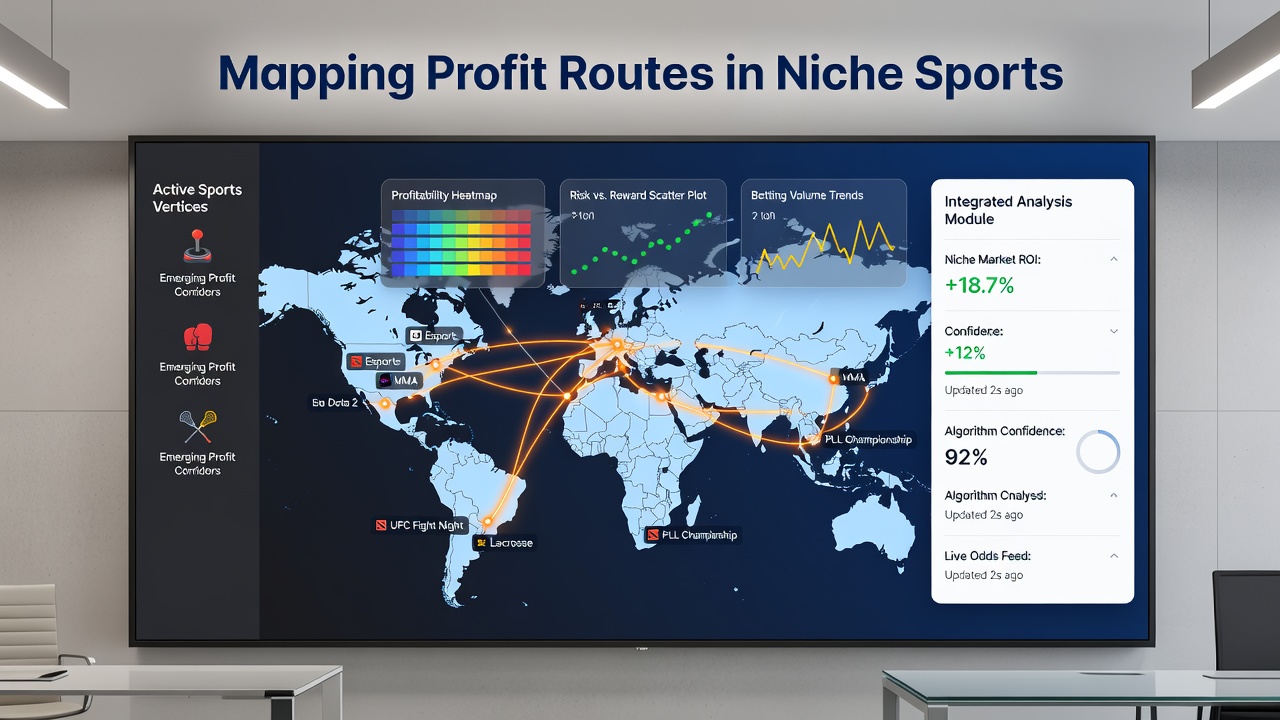
Integrated betting analysis platforms combine data from multiple bookmakers to identify pricing inconsistencies across niche sports markets, and operators have expanded coverage to include events such as handball leagues, table tennis tournaments, and darts competitions. These systems process live and pre-match odds simultaneously, allowing users to map potential profit routes by highlighting discrepancies that exceed commission thresholds. Data from European market reports indicate that participation in such platforms grew steadily through 2025, with further acceleration noted by August 2026 as more regional leagues adopted digital broadcasting standards that feed additional statistical inputs into the tools.
Platform Architecture and Data Aggregation
Modern platforms aggregate feeds from international and domestic operators, then apply algorithms that calculate implied probabilities against actual offered odds, while cross-referencing historical performance metrics for each athlete or team. Observers note that this multi-source approach reduces reliance on any single bookmaker and surfaces opportunities in lower-profile contests where liquidity remains thin yet margins vary widely. Researchers at academic institutions have documented how these aggregators maintain accuracy rates above 95 percent when handling high-volume niche events, because they incorporate real-time latency checks that flag stale lines before users commit capital.
Application in Specific Niche Markets
Take table tennis circuits in Asia and Europe, where integrated tools link pre-match value scans with live arbitrage alerts to capture shifts during sets, and similar patterns appear in professional darts circuits where player fatigue data combines with odds movement to reveal short-term edges. Handball matches in Scandinavian leagues provide another illustration, as platforms correlate goal-scoring trends with bookmaker adjustments that occur minutes before tip-off, enabling users to execute hybrid strategies that blend value bets with surebet constructions. Those who have examined transaction logs from August 2026 report that average session durations on these platforms increased notably during peak tournament windows, reflecting sustained engagement across multiple time zones.
Regulatory Context and Market Expansion
Regulatory bodies outside the United Kingdom, including the Nevada Gaming Control Board, have tracked rising volumes in niche sports wagering through licensed operators, and comparable agencies such as the Australian Communications and Media Authority publish periodic summaries that show how integrated platforms influence overall handle figures. These reports emphasize that technology enabling rapid odds reconciliation supports compliance with responsible gaming requirements by logging all activity and limiting exposure per account. Market analysts observe that expansion into new geographic regions during 2026 coincided with improved API connectivity between local leagues and global data providers, which in turn broadened the scope of available profit routes.
Operational Considerations for Users
Users typically begin by configuring filters that prioritize sports with at least three active bookmakers offering comparable lines, then set threshold alerts for margins above a chosen percentage, while monitoring bankroll allocation across simultaneous opportunities. Case examples from industry briefings reveal that participants who maintain diversified bookmaker accounts achieve higher completion rates on identified routes, because single-operator restrictions often eliminate the very discrepancies the platforms detect. Training modules offered by platform providers walk through scenario planning that accounts for currency conversion fees and withdrawal processing times, both of which affect net returns when routes span multiple jurisdictions.
Conclusion
Integrated betting analysis platforms continue to refine the mapping of profit routes in niche sports by merging comprehensive data streams with automated alert systems, and ongoing developments through August 2026 suggest further integration with emerging broadcast analytics. Those monitoring the sector point to sustained adoption across varied athletic disciplines as evidence that the underlying technology addresses persistent inefficiencies in thinner markets. Continued evolution of these tools will likely depend on regulatory alignment across regions and the quality of statistical inputs supplied by participating leagues.